Setting up house electrical system
 

Setting up house electrical system

Started by aussiebus, November 02, 2009, 02:18:40 AM

Previous topic - Next topic

aussiebus

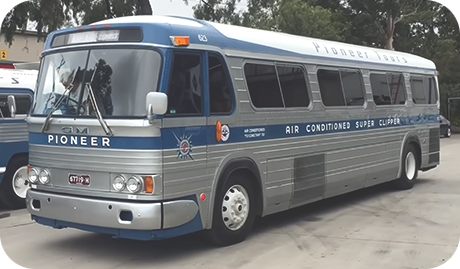
Now we have finished all our body work paint job and mechanical work, we are ready to do the electrical. Need to be self sufficient with our power, at this stage the old gas fridge has been replaced with an electric one, need to run also LCD TV, DVD, games console for kids lap top, water pumps and lighting. Have not started on any electrical as yet and want some advice as what is the best way to set it up. Looking at 24 volt inverter charger and where is the is the best place to situate it. We travel and exhibit at craft exhibitions so the bin space is need for stock etc .also some exhibitions we a parked in for 5 days and cant go out for supplies so the fridge must keep running. We will use mains power when available and want to able charge batteries of alternator whilst traveling. We want to get this right the first time if that's at all possible. Any advice would be greatly appreciated.

Len Silva

You will probably get an overwhelming amount of advice as to layout of your electrical system. I will only point out that the inverter should be located as close as possible (4-5 feet) to the batteries without being in the same compartment. 

Hand Made Gifts

Ignorance is only bliss to the ignorant.

Tenor

The Xantrex SW4024 is an excellent choice for inverter.  4KW, runs from a 24V electrical bank so you can use your alternator for over the road charging.  At 4KW, it will run 2 roof airs while on the road if your alternator is big enough.  Additionally, it can be tied into your genset for automatic starting and stopping when the batteries need charging if you are not plugged into shore power.  It does have an internal transfer switch, but does not switch the neutral and ground bond.  I'll let more experienced busnuts explain that!  :)  Like Len said, keep it close to the batteries, but don't put them in the same airspace!  They do put out gasses that will hurt the inverter.  Keep them seperate by at least boxing and venting the batteries if they are in the same bay.  Also, don't run water lines near it in case of a leak.

If you use a Vanner Equalizer, you can pull 12V from your 24V bank to run household equipment.  Some people will look for only 24V accessories (lights, etc.) so they don't have to drop the voltage down. 

You may want to think about some solar panels.  They are not cheap, but they certainly can reduce the run time for your genset.

Are you thinking about LP for your heat/oven/fridge/hot water heater or are you thinking about a Webasto?  I ask because the fridge at least is tied into your house electric.  When i dry camp, I set my fridge to LP and that really helps out the batteries and saves run time for the genset.  Your heat as well is tied into the question at least for the blower motors or  circulation pumps.

I hope this is helpful!

Glenn

I see you did not mention plans for a genset.  If you are parked for 5 days without shore power, you are not likely to have a big enough battery bank.  It would take a LOT of space.
Glenn Williams
Lansing, MI
www.tenorclock@gmail.com
2001 MCI D4500
Series 60 Detroit Diesel
4 speed Spicer

grantgoold

I sat down with a commercial electrician and together we read the leading electrical books related to bus conversions. We read the installation manual for the inverter. We read several dozen posts on this and other BB related to RV electrical. I purchased the RV standards for electrical and then we sat down and developed a plan based on what I wanted to do with the bus and budget restraints. We made the decision to have all most all things electrical 120 volt.  After several weeks of planning and discussion, I sat out securing the parts we decided on. After several more months, I had what we needed and we starting installing the system.  That installation took the better part of six months (after work once or twice a month).

Finally, we completed our work with 40 120 volt plugs throughout the bus. I have a lighting system both 12 volt and 120 volt. We installed 6 hours batteries for a total of 1240 amp hours. We have the entire system using basic (household parts) so failures are easily fixed. I have a 400 amp breaker for the house battery system, and an automatic switch for the genset. Everything is "watertight" and monitored via the main electrical panel. We have a job box on top the genset for additional outside electrical hook ups as well as separate breaker boxes for the genset, AC, house battery system and water heater. I also have the shore line power (50 amp) on a large automatic rewind system.  I will be finishing the 12 volt system in the coming days for a few items inside the bus.

Most everything electrical in the bus can be unplugged and thrown away when bad. A few powerbars placed in the right places allows me maximum flexibility.

Just our way. Very happy with the system and cannot wait to get to use it frequently.

Hope this helps.


Grant

Grant Goold
1984 MCI 9
Way in Over My Head!
Citrus Heights, California

Sean

Really this question is overly broad for this sort of forum.  There are at least as many "right" ways to implement an electrical system as there are members here.  Everything in a coach is a tradeoff, and how you design your system will depend a lot on what, exactly, is important to you.  Also, you have not given us enough information about your coach for us to provide detailed specific advice.

I can recommend that you start with a good book on the subject.  I'm not familiar with the texts available in the OZ market, but you might try "Designing Electrical Layouts for Coach Conversions" by George Myers, available here:
http://www.busnut.com/epicconversionsupport.html

A caveat about this book as well as some of the advice you will receive here on this forum is that you will need to translate from US-specs as appropriate, and your codes and regulations are likely different from ours in certain areas.  For example, mains voltage here is 120 volts at 60 Hertz for most household items (we have a dual-voltage system; some high-power items such as electric ranges use 240 volts) in contrast to your 230-volt. 50-Hertz system.  I would also suggest you consult with a converter there about specific code requirements.

Once you've worked your way through the Myers book (and/or any other texts that might interest you) you can start to lay out your system; during that process you will, no doubt, develop many more specific questions that you may wish to address here.

I would also mention that many of the more common questions have been asked and answered here many times over -- you will find a wealth of information in the archives.  The best way to access this is through the "Search" feature located on the navigation bar between the "Help" and "Profile" buttons just under your login information at the top of this page (that one is more powerful than the quick search box above it to the far right).

-Sean
http://OurOdyssey.BlogSpot.com
Full-timing in a 1985 Neoplan Spaceliner since 2004.
Our blog: http://OurOdyssey.BlogSpot.com

TomC

I have a very simple electrical system that just about everything is done manually.   I went to the local big box hardware store (Home Depot) and bought 3 circuit breaker boxes.  One has 4-50amp breakers.  Two for the generator, and two for land line (in your case it would be 25 amp). Then made a sliding sheet metal template that would only allow two breakers on at a time so not to be able to turn on both blowing the whole thing.
The second box is the separate circuits for non inverter powered items including the 20amp (based on 220vac) pass through to the third box which powers the inverter powered items (through the inverter).
I like to think of the inverter as power for low amperage or short burst items-like hair dryer, microwave, toaster oven, computer, refrigerator (or frige), one of the water heaters (I have two 10gal [39liter] electric water heaters that one feeds into the next with the final one powered through the inverter for hot water going down the road), etc.  What I don't believe should be powered through the inverter is air conditioning (although some do successfully-especially if you have the big Delco 50DN alternator), electric room heating, etc.

I would highly recommend you look at the Magnum inverters.  While Trace, Xantrex,etc have been good in the past, they are made in China (basic junk).  Magnum is a pure sine wave inverter and they do have a 4000 watt that runs on 24 volt.

Way to many if's and's or but's on this subject.  I believe in keeping it simple that maybe more complex to run.  Others like complex electrical systems that are simple to run.  Good Luck, TomC
Tom & Donna Christman. 1985 Kenworth 40ft Super C with garage. '77 AMGeneral 10240B; 8V-71TATAIC V730.